
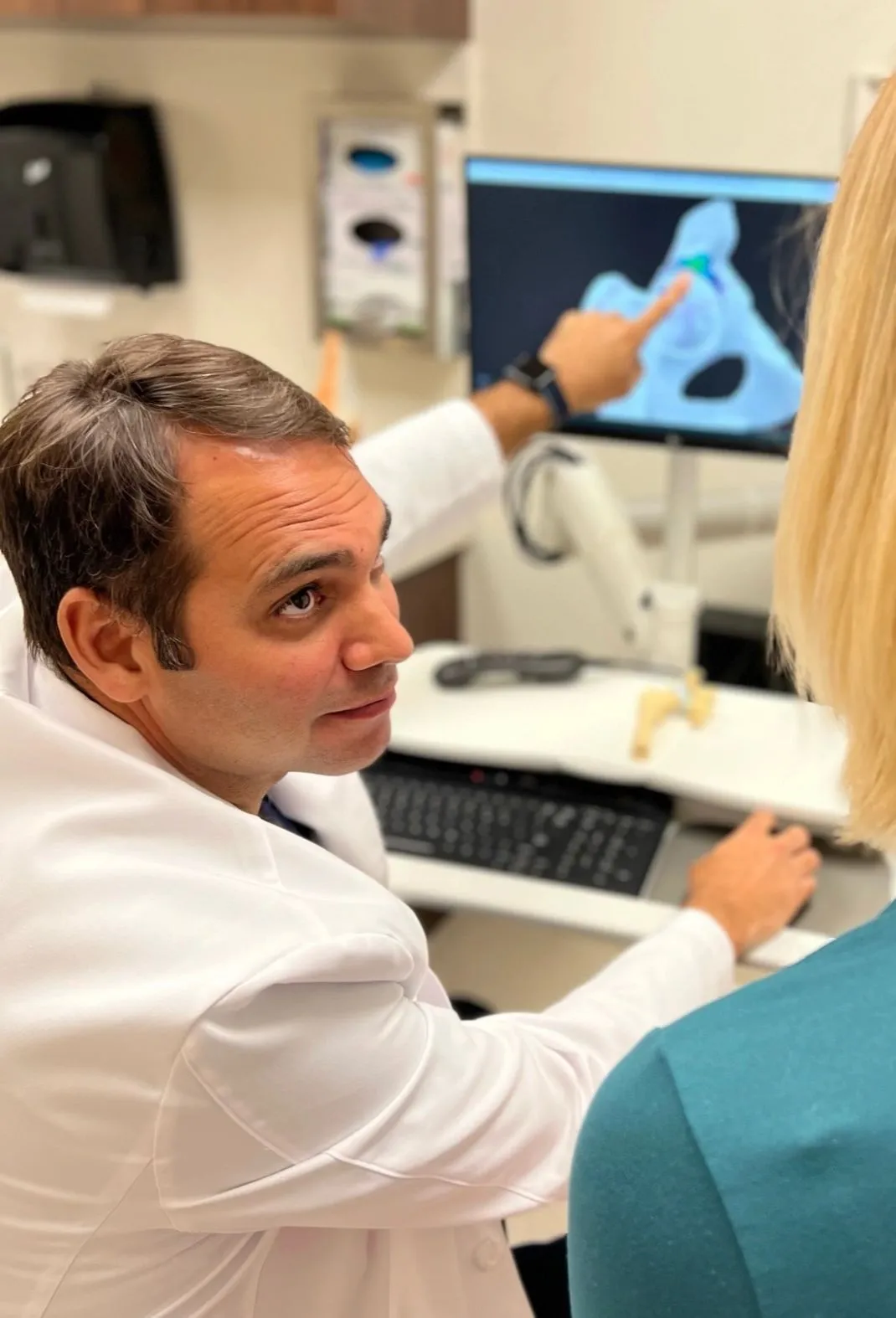
Hip
Impingement (FAI), labral tears, dysplasia, gluteal tendon tears and arthritis. The hip is Dr. Lázaro's sub-specialty.
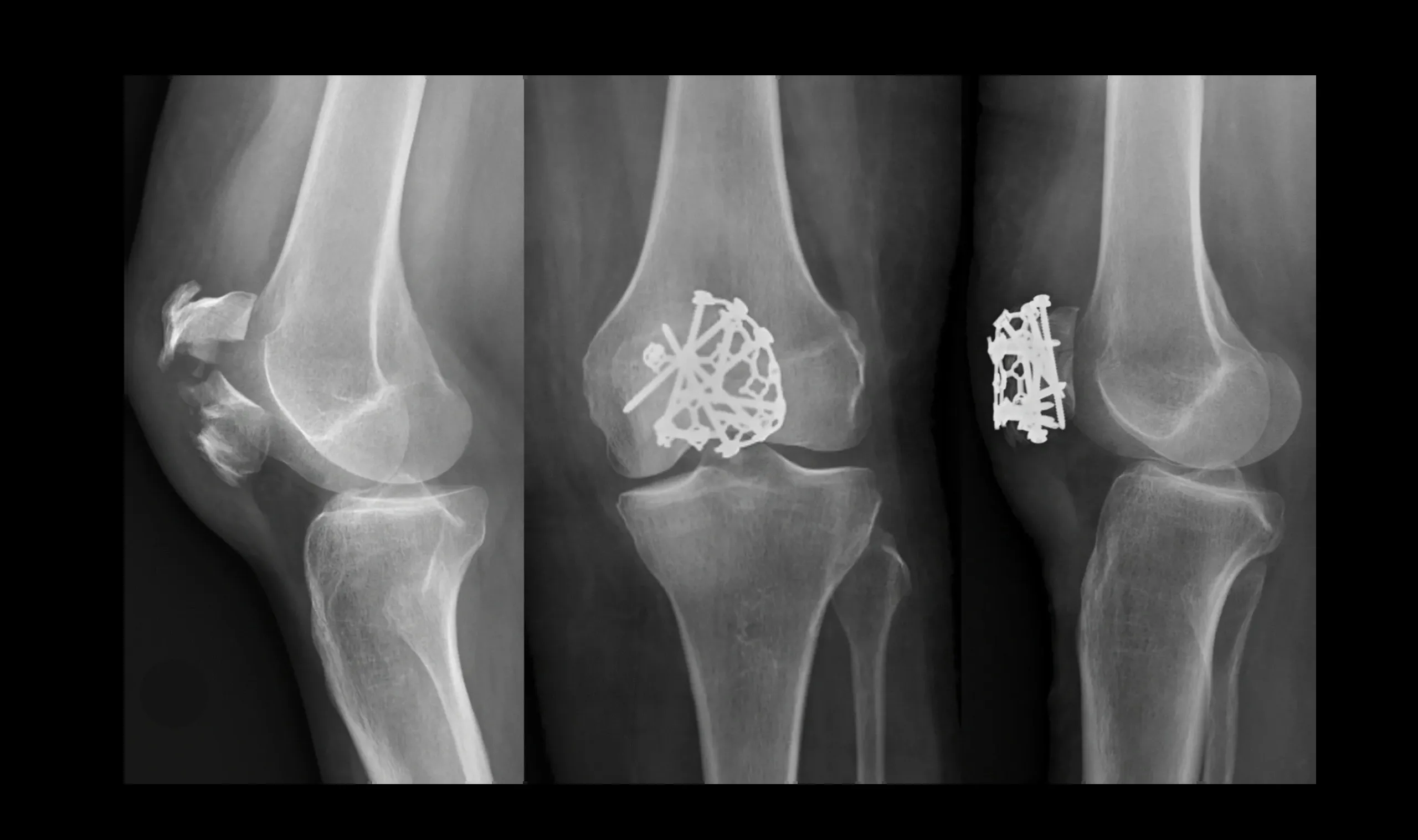
Fracture care
Hip, knee, shoulder, collarbone, elbow, wrist and ankle fractures and stress fractures in athletes, with non-operative care or surgical fixation (ORIF).
A fracture is a break in a bone. It can happen suddenly — in a fall, an accident or a play on the field — or gradually from repeated stress, as with stress fractures in runners and athletes.
Treatment depends on which bone is involved, whether the fracture has shifted or reaches the joint, and your age and activity level. The goal is for the bone to heal in good position so you can regain the function of the joint.
Include fractures of the femoral neck, and the intertrochanteric area. In younger people they usually follow high-energy trauma; in older adults, falls.
Can involve the kneecap, the lower femur or the tibial plateau (the top of the shinbone), which is part of the joint surface.
Include fractures of the upper humerus and the shoulder blade or glenoid. They are common after falls onto the shoulder or an outstretched arm.
Very common after falls and contact sports. When the collarbone is displaced or shortened, it can be fixed with a plate and screws (ORIF).
The olecranon is the tip of the elbow. These usually happen from a direct fall onto the elbow and, if the pieces separate, are treated with surgical fixation (ORIF).
Usually of the distal radius, from falling on an outstretched hand. Displaced fractures or those that reach the joint can be aligned and fixed with a plate (ORIF).
Happen when the ankle is twisted or struck. If the ankle is left unstable or out of alignment, it is repaired with open reduction and internal fixation (ORIF).
Small cracks in the bone from repetitive stress, common in runners and athletes. They can occur in the hip (femoral neck), the shinbone or the foot.
Caused by impact or falls during sports. For athletes, the plan aims for solid healing and a safe, gradual return to play.
When the fracture line enters the joint surface, restoring its shape is important to lower the risk of future arthritis.
Every plan is individual. Whenever appropriate, we start with the least invasive treatment and only recommend surgery when it can truly help you.
Step 1 · Non-operative
Many stable or non-displaced fractures heal without surgery, with close follow-up.
Step 2 · Joint preservation
When a fracture is displaced, unstable or involves the joint, surgery helps align and stabilize the bone.
Step 3 · Joint replacement
For some complex fractures, especially in older adults, replacing the joint may be the best option.
No. Many stable or non-displaced fractures heal with a cast, splint, brace or sling. Surgery is considered when the bone has shifted, the fracture is unstable or it involves the joint surface.
It depends on the bone, the type of fracture, your age and your overall health. Most bones need several weeks to heal, and fully regaining strength and motion can take longer. Your doctor will give you an estimate for your case.
It is a small crack in the bone caused by repetitive stress, such as running or training more than the bone can tolerate. It sometimes does not show on early X-rays, so an MRI may be needed.
Yes. The emergency room usually immobilizes the fracture and refers you to an orthopedic surgeon to decide on definitive treatment. Book your visit soon and bring your X-rays, imaging and reports.
It usually includes a period of protection, follow-up X-rays and physical therapy to regain motion and strength. Returning to work or sports is gradual, based on how the bone heals.
This content is educational and does not replace a medical evaluation. Every case is different: diagnosis and treatment are determined during your visit.
Impingement (FAI), labral tears, dysplasia, gluteal tendon tears and arthritis. The hip is Dr. Lázaro's sub-specialty.
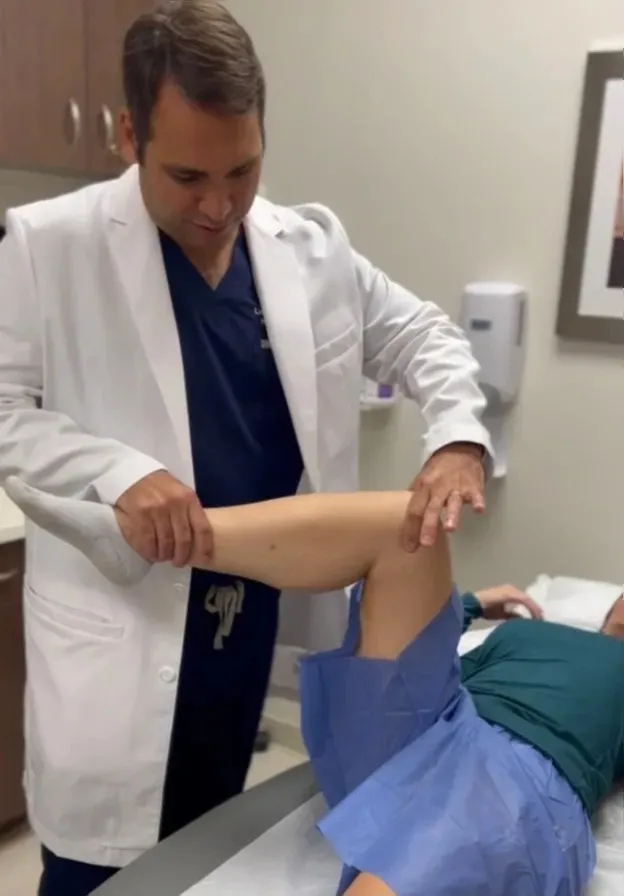
Ligament injuries (ACL), meniscus tears, cartilage damage, kneecap instability and arthritis — from non-operative care to replacement.
Rotator cuff and labral tears, instability and dislocations, frozen shoulder and arthritis — with options from therapy to arthroscopic surgery.
New patients are welcome. Book online, call us, or message us on WhatsApp — we reply during office hours.