
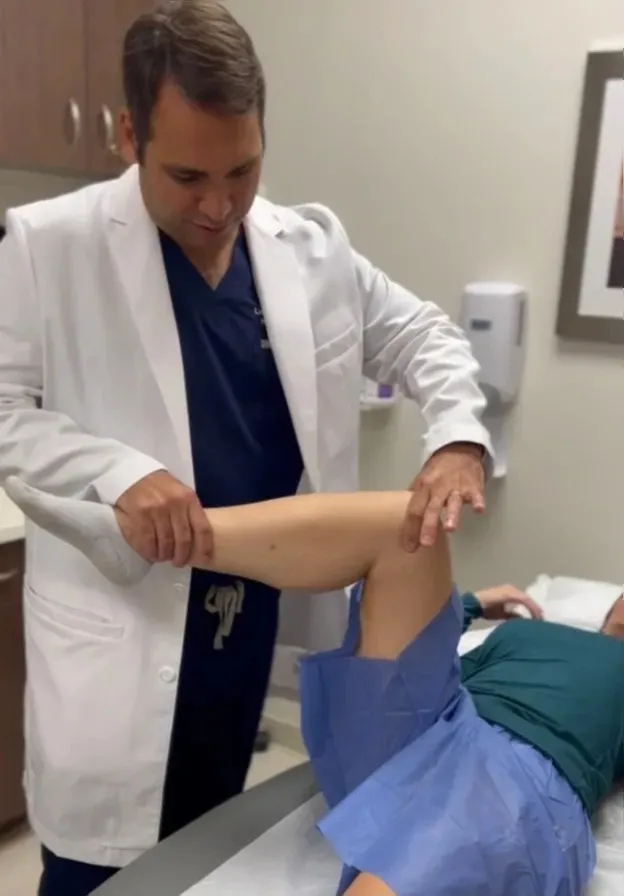
Knee
Ligament injuries (ACL), meniscus tears, cartilage damage, kneecap instability and arthritis — from non-operative care to replacement.
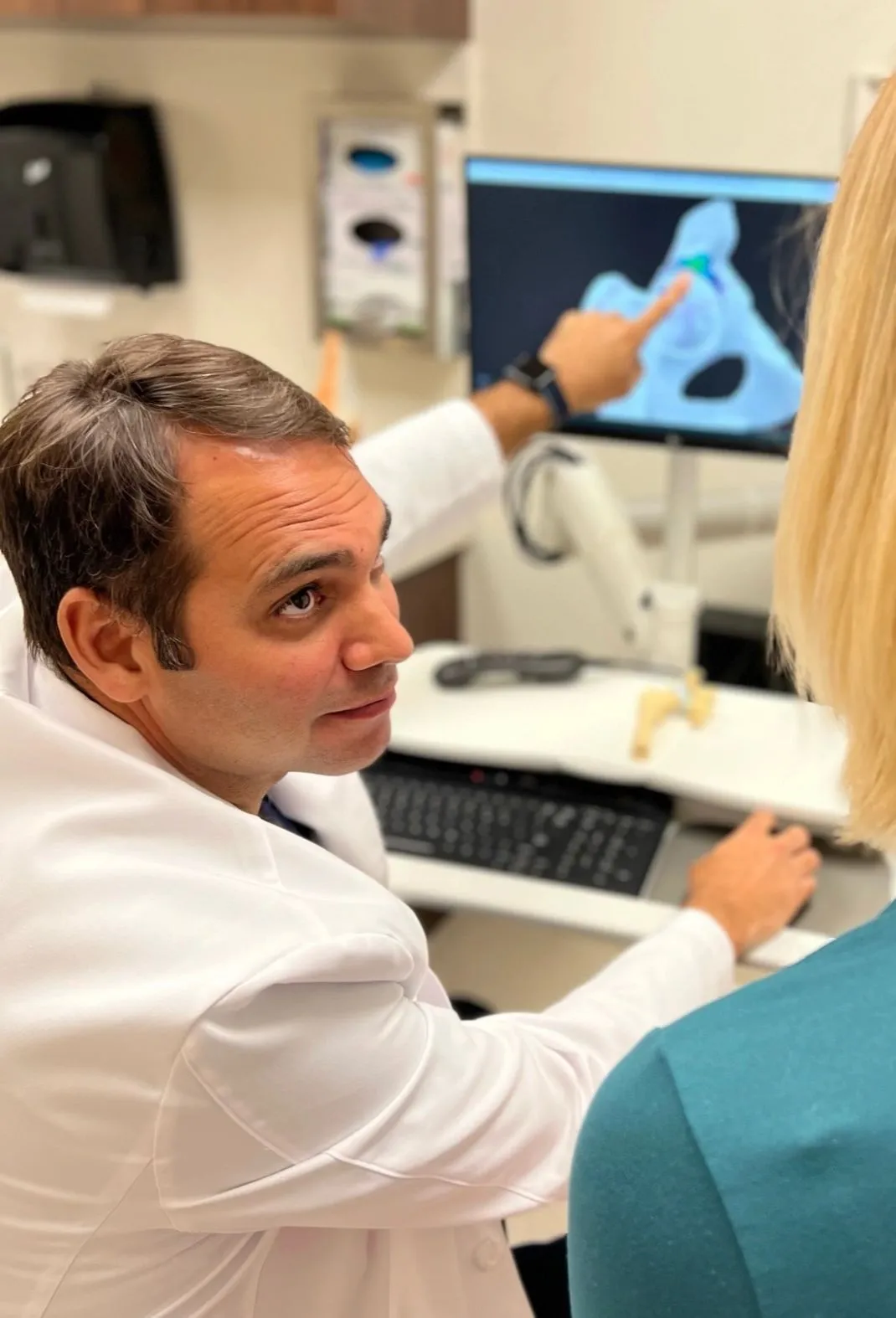
Hip preservation & hip arthroscopy
Impingement (FAI), labral tears, dysplasia, gluteal tendon tears and arthritis. The hip is Dr. Lázaro's sub-specialty.
Your hip carries your weight with every step and lets you walk, run, squat and pivot. When something goes wrong, pain may be felt in the groin, the side of the hip, the buttock or even down the thigh toward the knee, which can make it hard to tell where it is coming from.
Many hip problems in young, active people — such as impingement or a labral tear — can be treated early to relieve pain and protect the joint. For people with advanced wear, a hip replacement can restore the mobility needed to enjoy daily life.
The hip is our sub-specialty
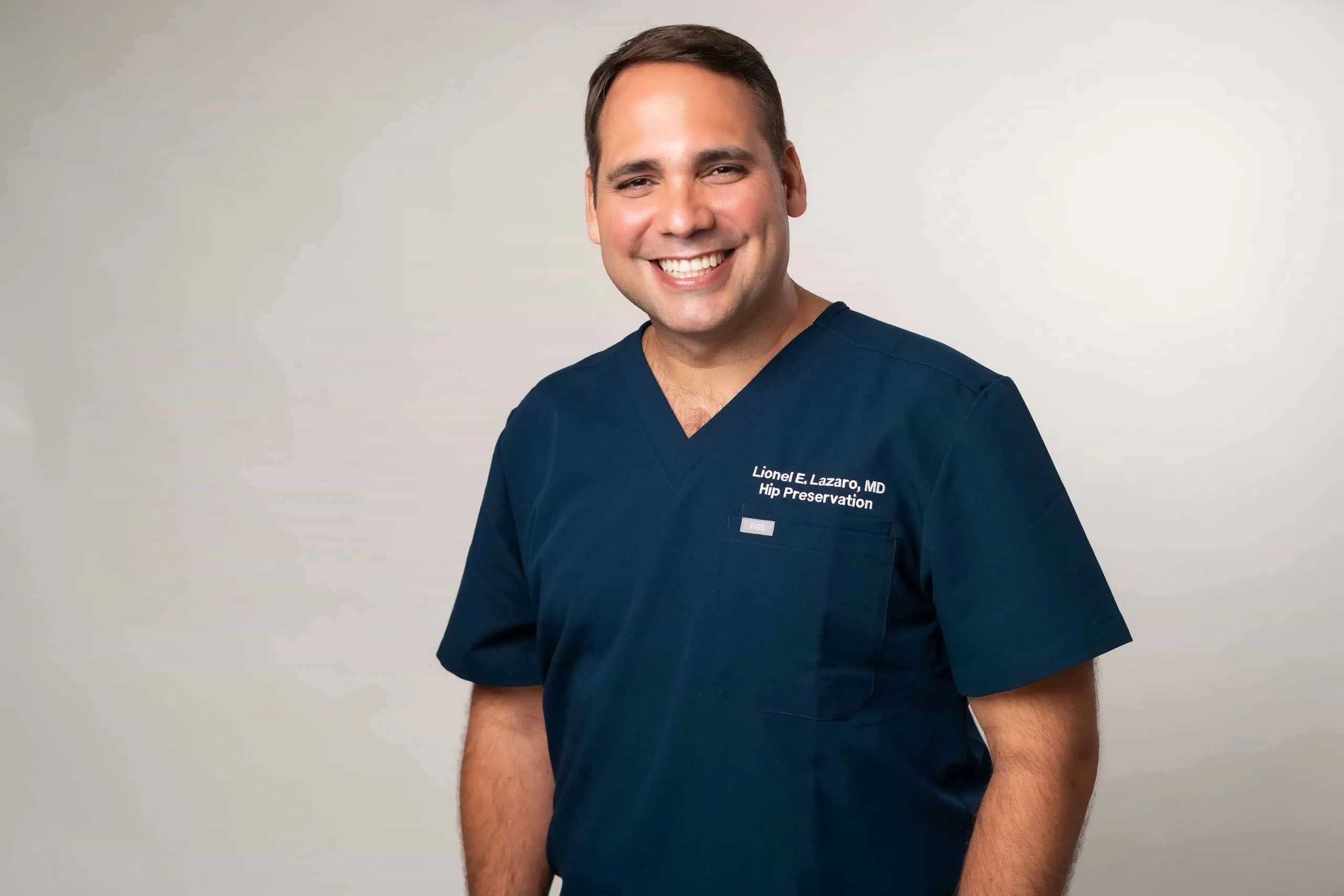
Dr. Lázaro focuses on hip preservation and hip arthroscopy: treatments that aim to correct the underlying problem and protect your own joint. He also performs total hip replacement when it is the best option.
Happens when the shape of the ball (femoral head) or the socket (acetabulum) makes the bones rub together as you move your leg. Over time, that contact can damage the labrum and cartilage.
The labrum is a ring of cartilage that seals and stabilizes the hip. A tear can cause groin pain, clicking or a feeling that the hip catches or locks.
The hip socket is shallow and does not fully cover the ball, which overloads the cartilage and labrum. It is sometimes discovered in the teens or young adulthood.
The gluteus medius and minimus tendons on the side of the hip can become inflamed or tear. They cause pain when lying on that side, climbing stairs, or a limp when walking.
The cartilage lining the joint can be damaged by impingement, dysplasia or trauma. Because it does not heal well on its own, addressing it early helps protect the hip.
The first stage of cartilage wear. It causes stiffness and activity-related pain, and it can often be managed without surgery.
A snap you feel or hear when moving the hip, caused by a tendon sliding over bone. It is often painless, but if it hurts it deserves an evaluation.
The muscles at the back of the thigh can strain, or their tendon can pull off the pelvic bone, especially in sprinting sports or after a fall.
When cartilage is badly worn, pain and stiffness limit walking, sleeping and putting on shoes. In these cases, hip replacement is considered.
Every plan is individual. Whenever appropriate, we start with the least invasive treatment and only recommend surgery when it can truly help you.
Step 1 · Non-operative
For many patients, the first step is to calm inflammation and improve hip strength and mechanics.
Step 2 · Joint preservation
The goal is to correct the cause of the problem and protect your natural joint.
Step 3 · Joint replacement
When arthritis is advanced and other options no longer help.
It is an approach that treats hip problems — such as impingement, a labral tear or dysplasia — before advanced wear develops, with the goal of relieving pain and protecting your natural joint. It includes non-operative care and procedures such as hip arthroscopy.
It is not always easy to tell, because low-back pain can be felt in the hip and vice versa. Pain from the hip joint itself is usually felt in the groin. A detailed physical exam, imaging and sometimes a diagnostic injection help pinpoint the source.
No. Many patients improve with physical therapy, activity changes and, in some cases, injections. Surgery is considered when symptoms persist despite conservative care or when a bone-shape problem keeps causing damage.
It is minimally invasive surgery that uses a camera and small instruments through small incisions to see and treat the inside of the hip — for example, repairing the labrum and correcting impingement. Your doctor will explain whether you are a candidate and what recovery would look like.
There is no fixed age. The decision depends on how worn the joint is, how much pain limits your life and what other options remain. In younger people with little arthritis, preserving the hip is often the priority.
If you already have hip X-rays or an MRI, bring them along with the report. If not, no worries: Dr. Lázaro will let you know which studies are needed after examining you.
This content is educational and does not replace a medical evaluation. Every case is different: diagnosis and treatment are determined during your visit.
Ligament injuries (ACL), meniscus tears, cartilage damage, kneecap instability and arthritis — from non-operative care to replacement.
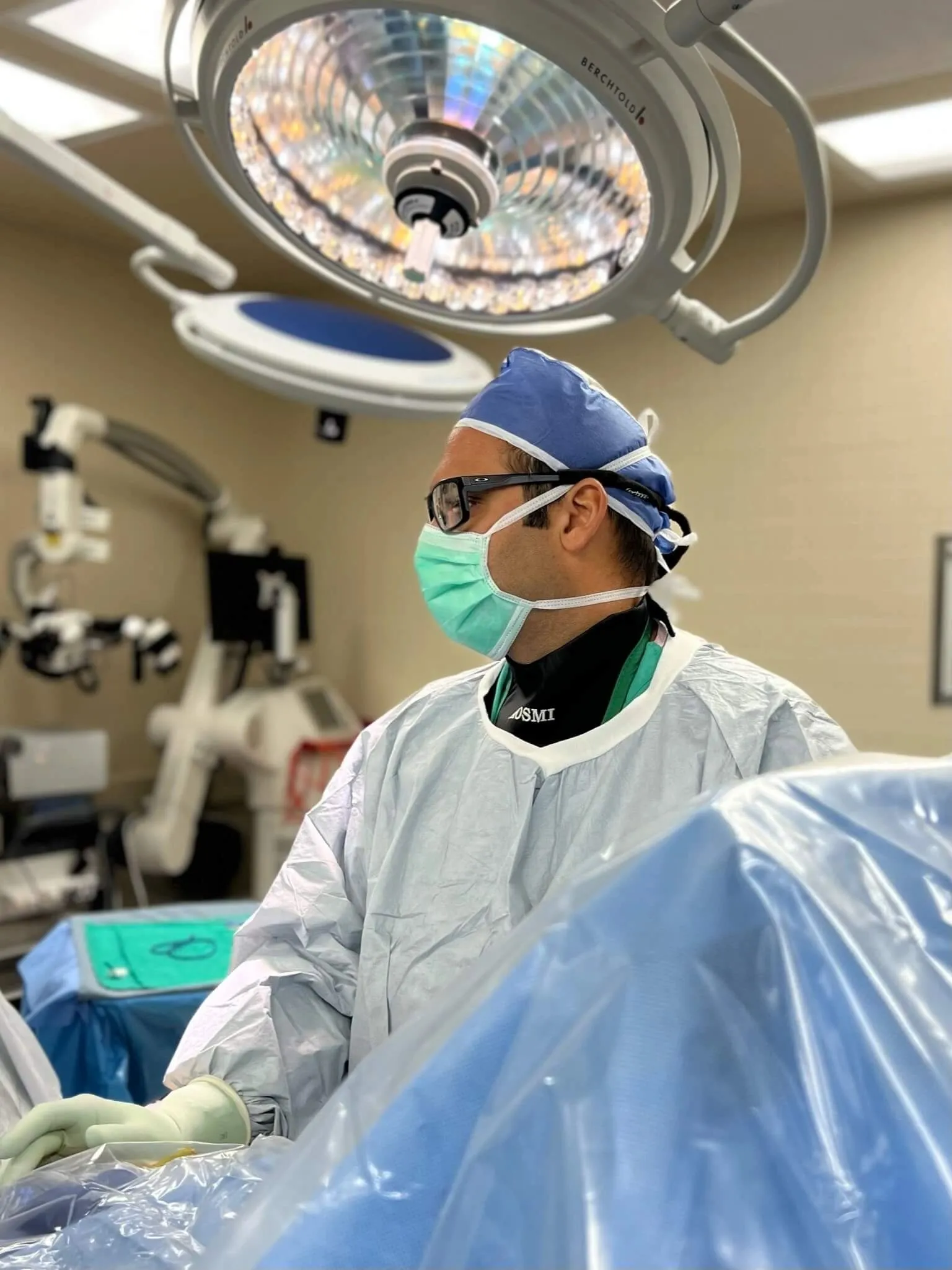
Rotator cuff and labral tears, instability and dislocations, frozen shoulder and arthritis — with options from therapy to arthroscopic surgery.
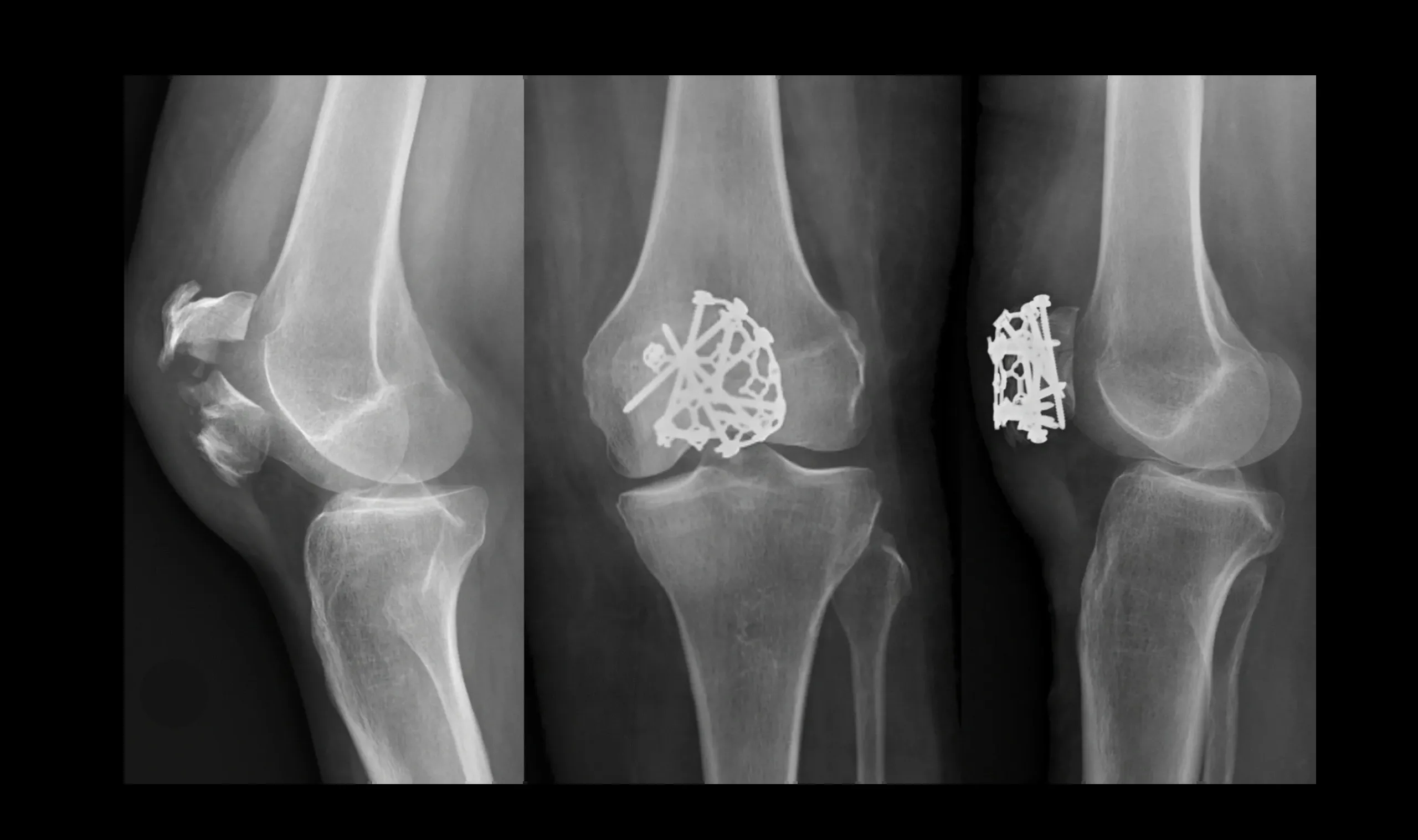
Hip, knee, shoulder, collarbone, elbow, wrist and ankle fractures and stress fractures in athletes, with non-operative care or surgical fixation (ORIF).
New patients are welcome. Book online, call us, or message us on WhatsApp — we reply during office hours.